

Moroccan Nomad Culture: How Families Still Live in the Sahara
For many travelers, the Moroccan Sahara feels like a place completely separated from modern life. Endless dunes, rocky desert landscapes, camel caravans, and isolated camps create an image that seems frozen in time. Yet beyond the tourism experience, some families in southern Morocco still maintain parts of a nomadic way of life that has existed for centuries.
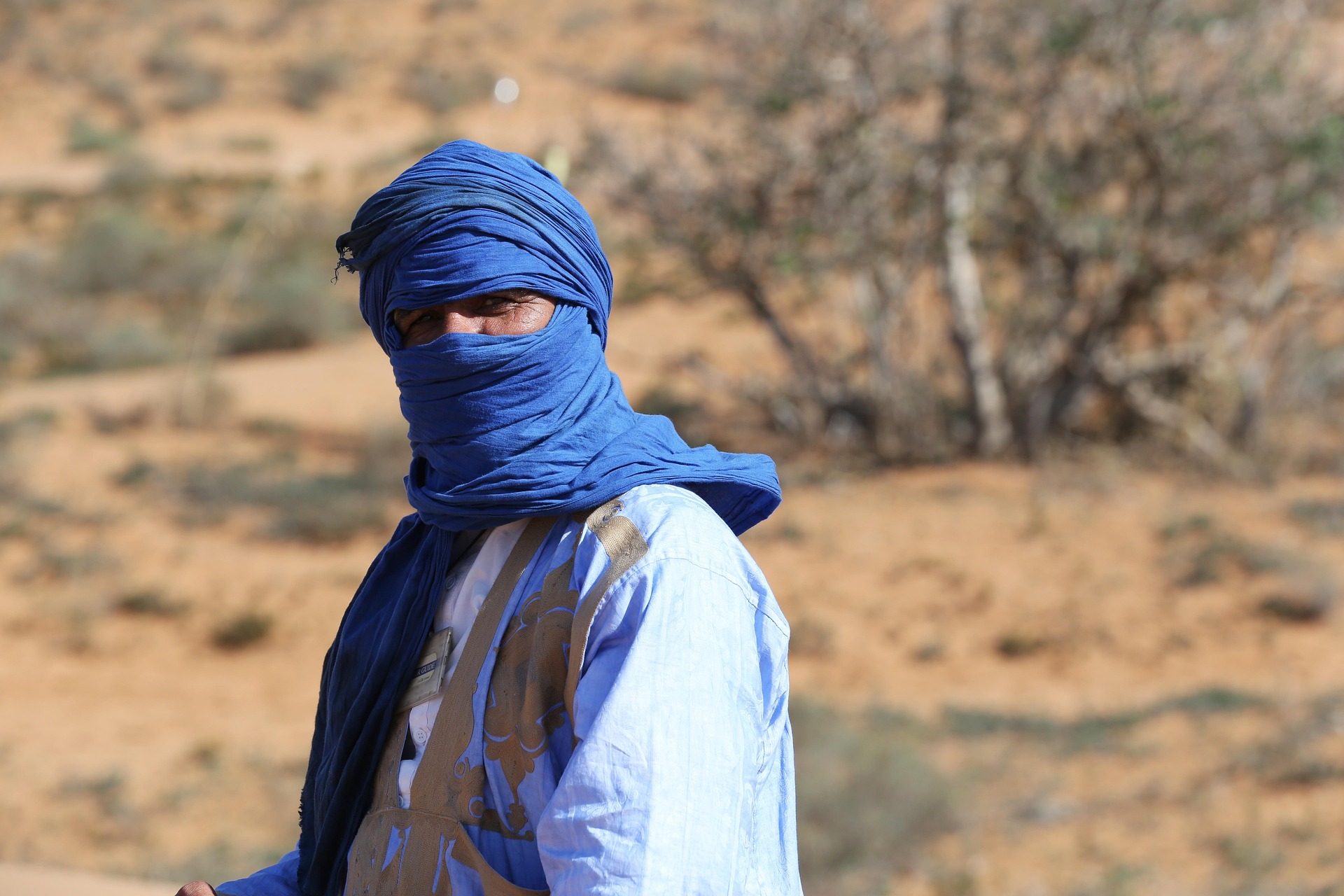
Moroccan nomad culture remains one of the country’s most fascinating cultural traditions. In remote desert regions near Merzouga, Zagora, and the wider Sahara, nomadic communities continue moving through harsh landscapes while preserving customs built around survival, family, livestock, and hospitality.
Although modernization has changed many aspects of desert life, nomadic traditions still shape the identity of many Amazigh and Saharan communities in Morocco today.
For travelers interested in understanding Morocco beyond cities and tourist attractions, learning about Moroccan nomad culture offers a deeper look into one of the country’s oldest living traditions.
What Is Moroccan Nomad Culture?
A Lifestyle Built Around Movement
Nomadic life is based on mobility. Traditionally, Moroccan nomadic families moved regularly across desert and semi-desert regions searching for:
- Water
- Grazing land
- Seasonal resources
- Better climate conditions for livestock
Unlike permanent villages or cities, nomadic communities depended on movement to survive difficult environmental conditions.
For generations, camels, goats, and sheep played a central role in daily life, transportation, and economic survival.
Even today, some desert families continue seasonal movement patterns across parts of southern Morocco.
Where Nomadic Communities Still Exist in Morocco
Southern Morocco and the Sahara
Nomadic traditions are mostly associated with southern Morocco and Saharan regions.
Areas historically connected to nomadic culture include:
- Merzouga
- Zagora
- M’Hamid El Ghizlane
- The Draa Valley
- Areas near the Algerian border
Some nomadic families still live in tents part of the year, especially in isolated desert areas where traditional herding lifestyles continue.
Travelers exploring the Sahara sometimes encounter temporary desert camps belonging to local nomadic families.
Traditional Nomadic Tents in Morocco
Homes Designed for Desert Conditions
Traditional nomadic tents are built to adapt to extreme desert environments.
They are often made using:
- Wool
- Camel hair
- Handmade woven fabrics
These materials help protect against:
- Intense sun
- Wind
- Cold desert nights
- Sandstorms
Inside the tents, families usually organize separate spaces for:
- Sleeping
- Cooking
- Tea preparation
- Receiving guests
Despite the simplicity of the structures, tents are designed carefully for practical desert survival.
Daily Life in the Moroccan Sahara
A Routine Shaped by Nature
Life in the desert depends heavily on climate and natural conditions.
Daily activities often include:
- Caring for animals
- Preparing food
- Collecting water
- Maintaining tents
- Traveling between grazing areas
In many nomadic communities, mornings begin early to avoid the strongest afternoon heat.
Children may help with animals and household responsibilities while adults manage livestock and travel logistics.
Modern technology has slowly reached some desert communities, but daily life in remote areas remains physically demanding.
Hospitality in Nomadic Culture
One of Morocco’s Strongest Traditions
Hospitality plays a major role in Moroccan nomad culture.
In desert environments, helping travelers historically became essential for survival. Offering food, tea, and shelter developed into an important social value that still exists today.
Guests are commonly welcomed with:
- Mint tea
- Bread
- Dates
- Traditional meals
Even in isolated desert areas, hospitality remains deeply connected to dignity, generosity, and respect.
Many travelers who visit nomadic camps describe the warmth of local hospitality as one of the most memorable parts of their Morocco experience.
Camels and Desert Transportation
Essential Animals of the Sahara
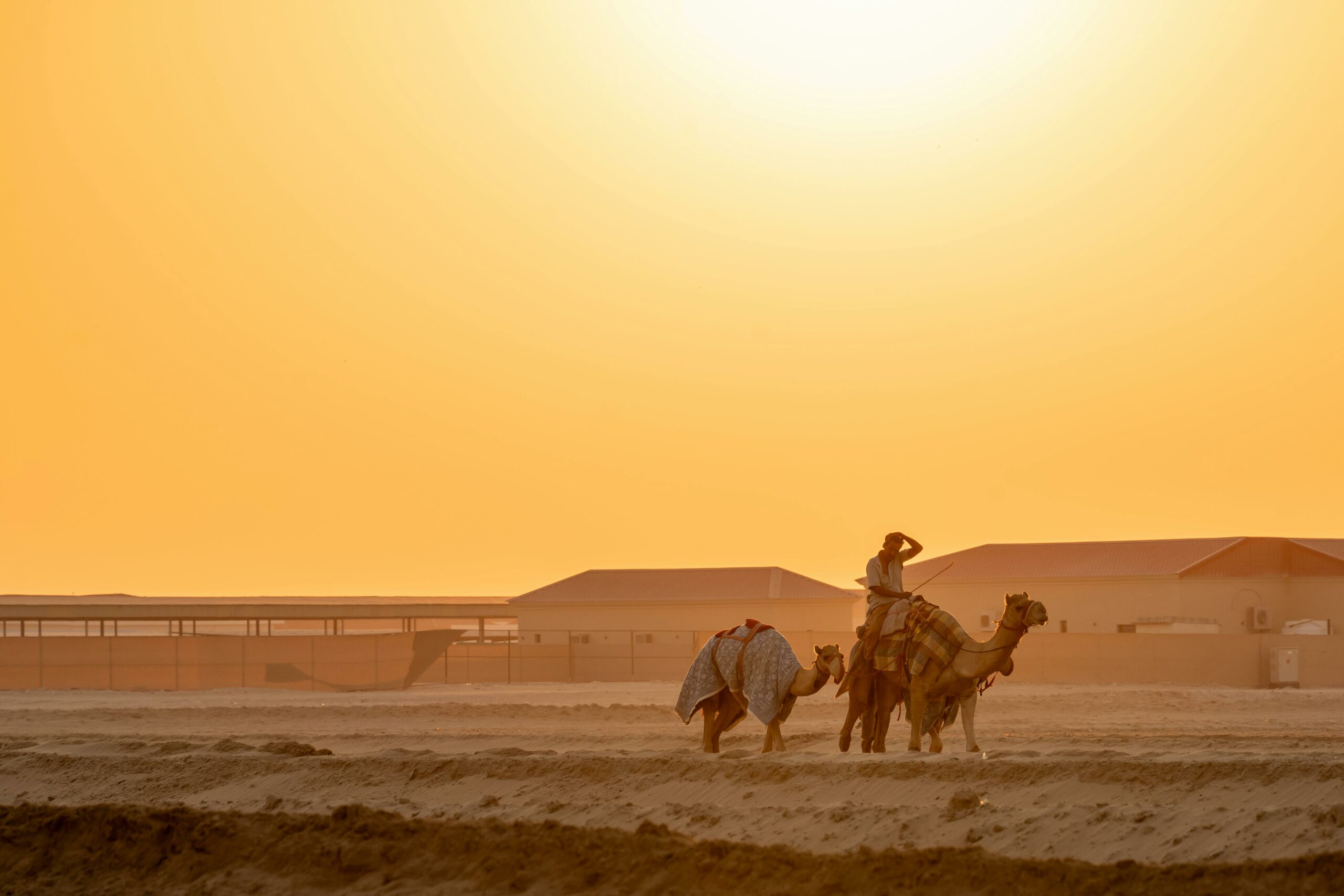
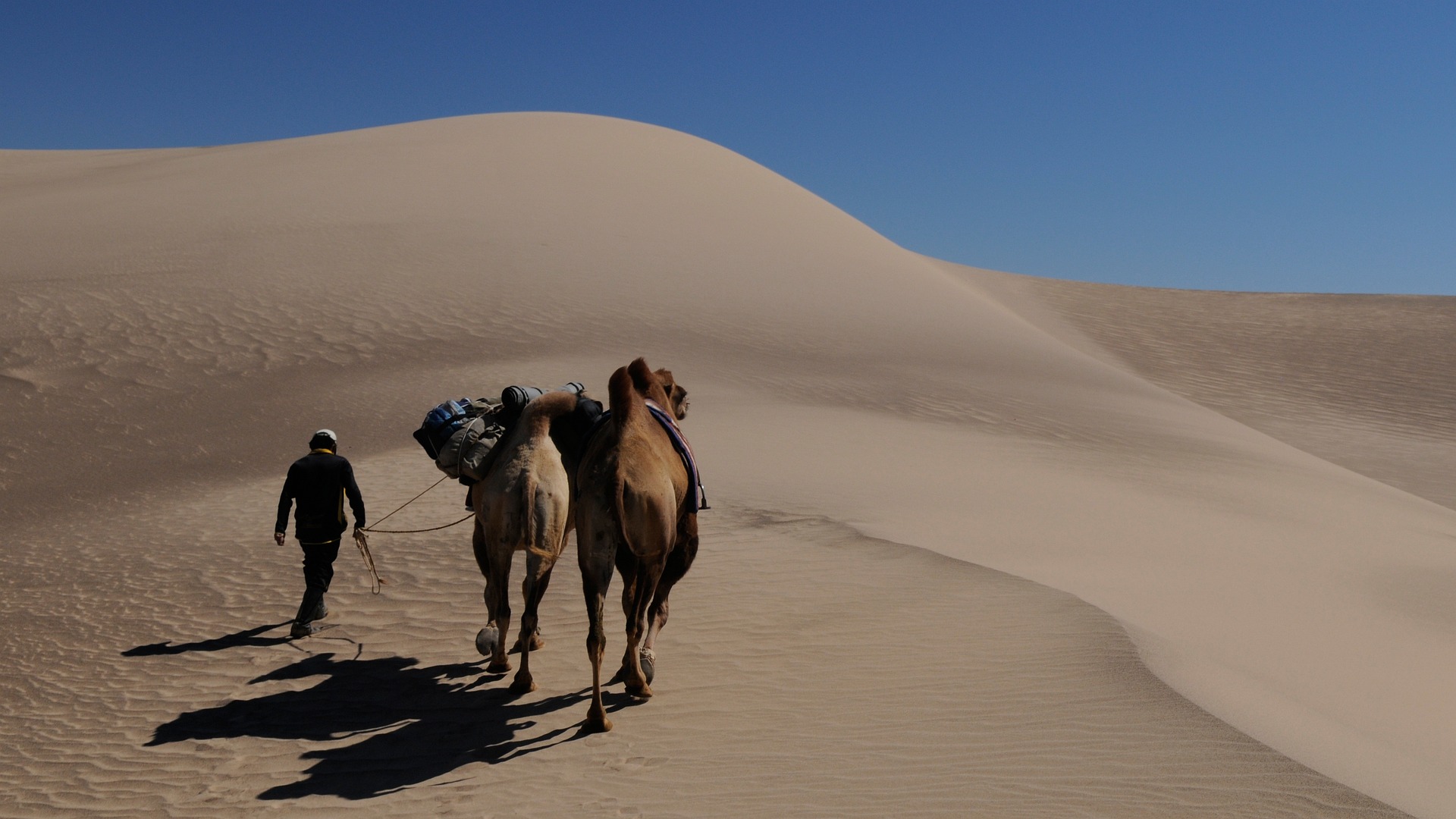
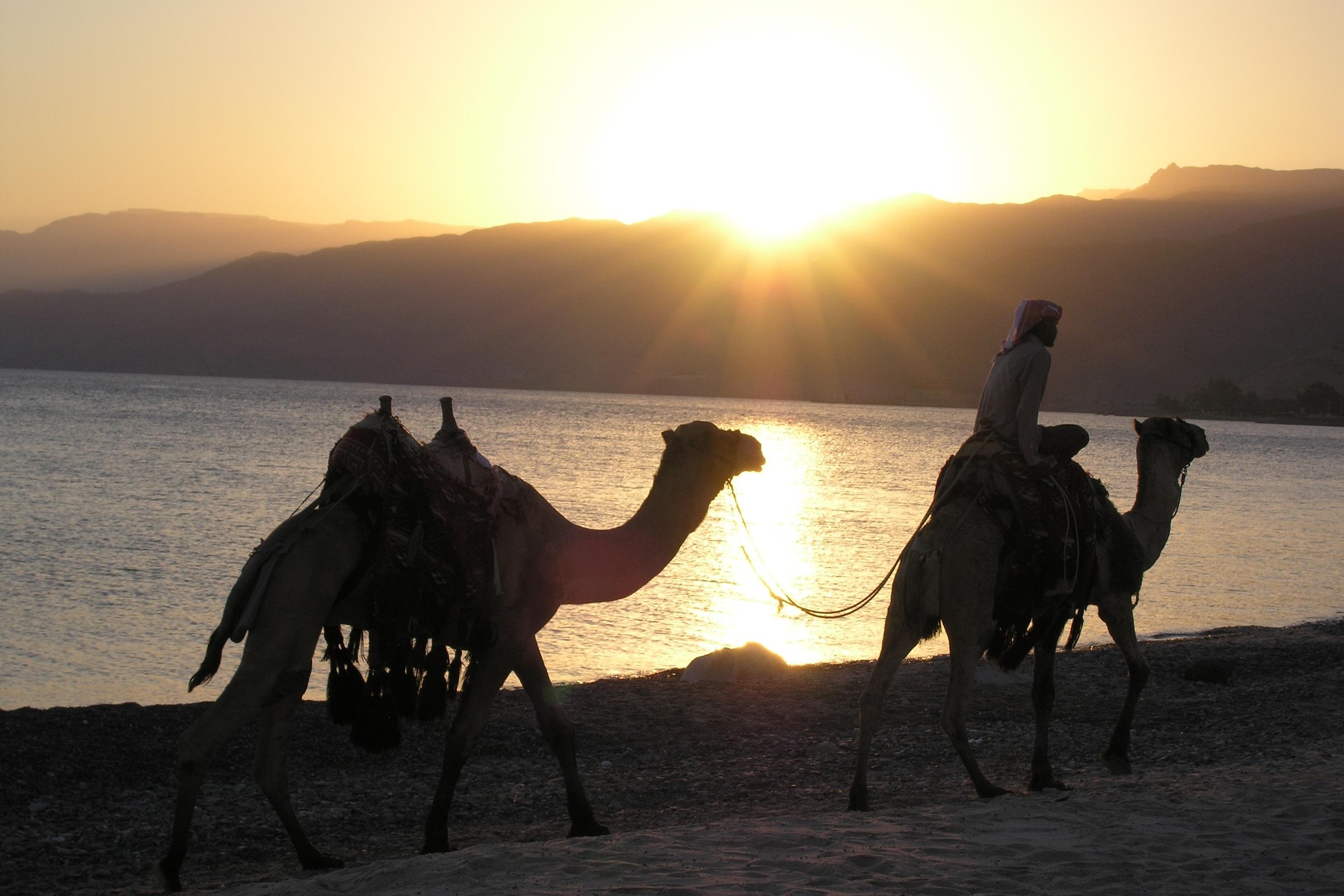
Camels historically allowed nomadic families to survive and travel across the Sahara.
They were used for:
- Transportation
- Carrying supplies
- Trade routes
- Milk production
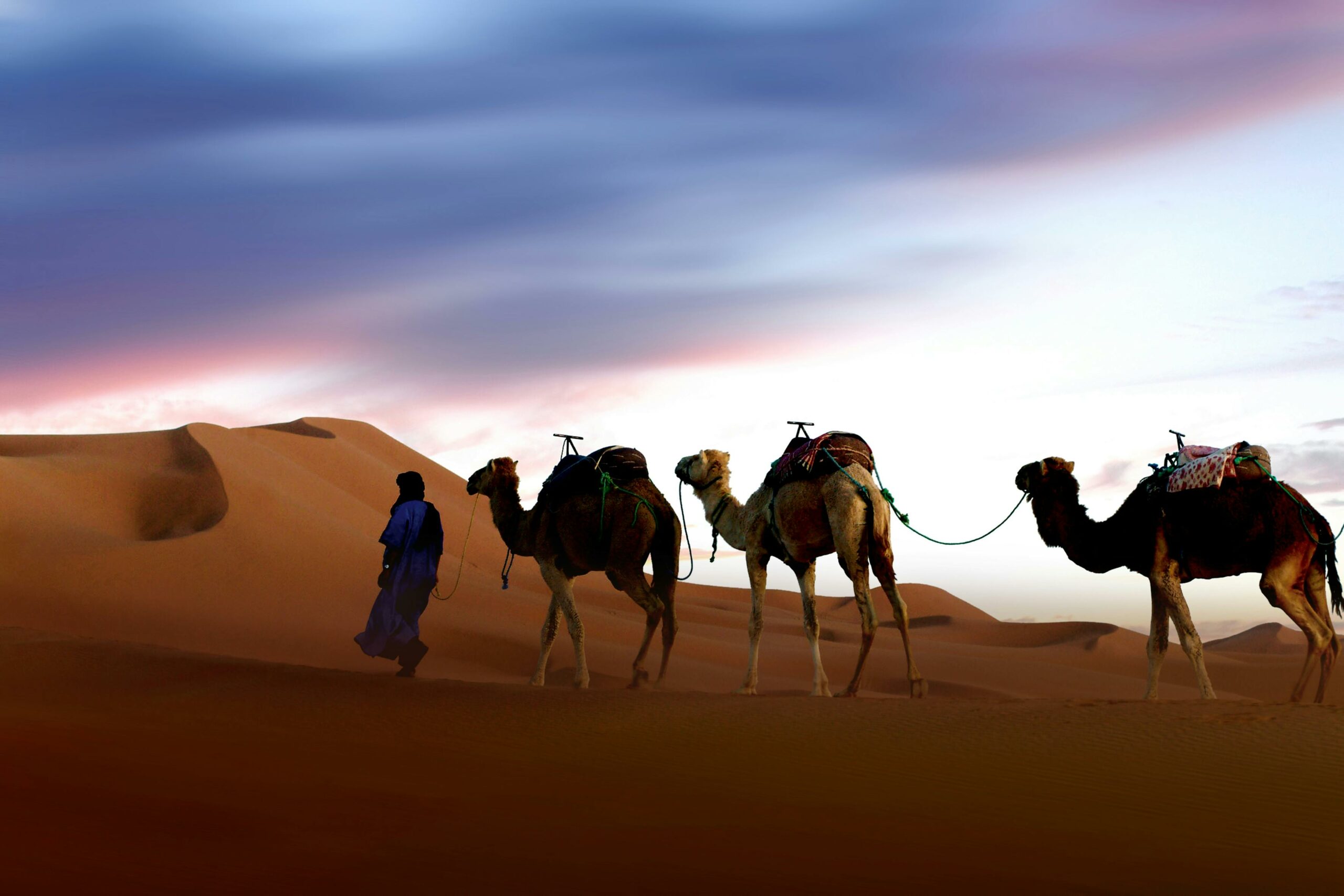
Before modern roads and vehicles, camel caravans connected Morocco with other regions across North and West Africa.
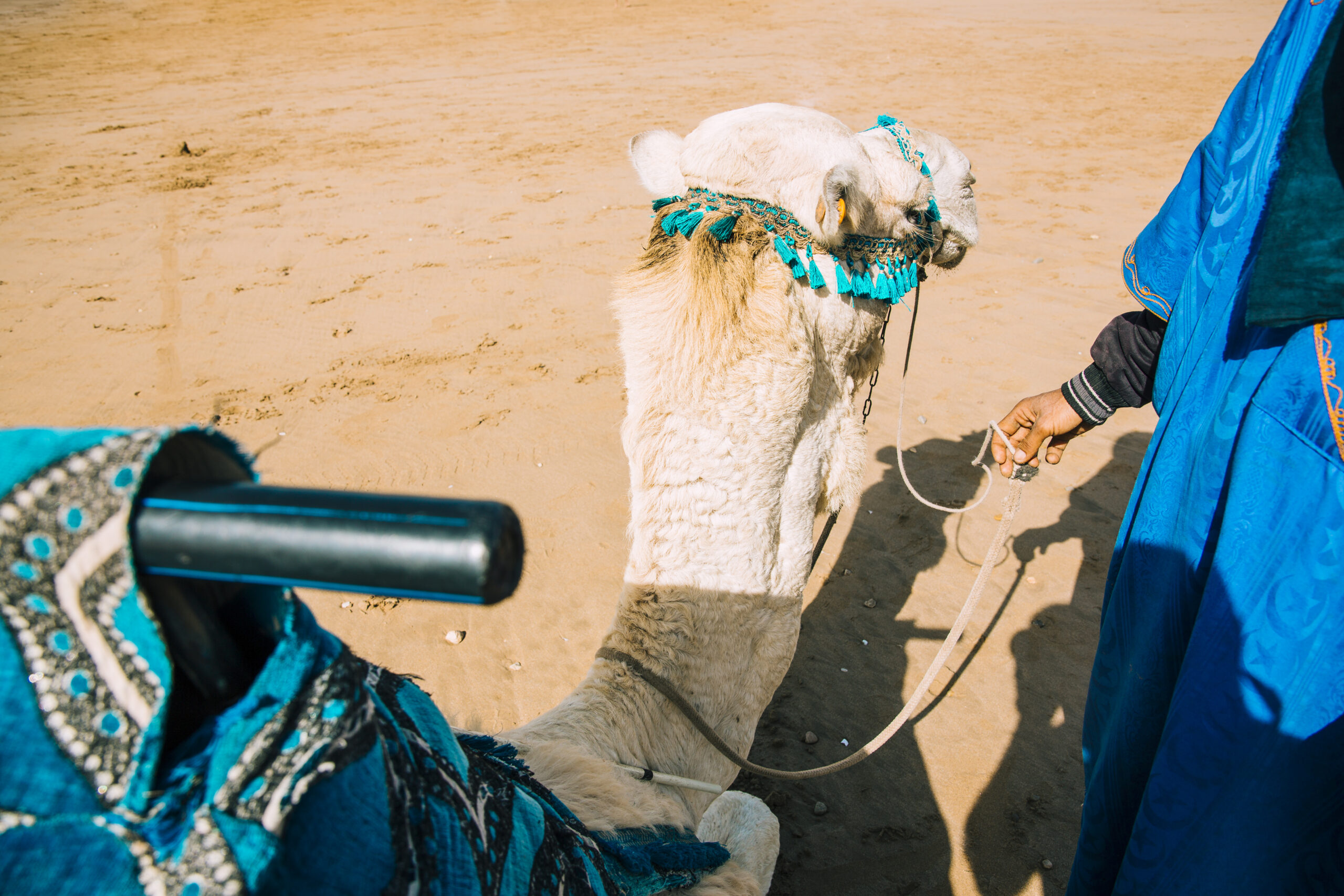
Although vehicles are now more common, camels still remain culturally important in many desert communities.
Today, camel trekking also became one of the most recognizable tourism experiences in the Moroccan Sahara.
Food in Nomadic Desert Communities
Simple Meals Adapted to Desert Life
Traditional nomadic food is designed around practicality and available ingredients.
Common foods include:
- Bread baked in sand or fire ashes
- Dates
- Tea
- Lentils
- Tagines
- Dried foods
- Milk products
Meals are usually shared communally.
Tea especially remains central to daily social life and hospitality traditions in the desert.
Challenges Facing Nomadic Life Today
Modernization and Environmental Changes
Traditional nomadic lifestyles have become increasingly difficult to maintain.
Several factors affect desert communities today:
- Climate change
- Water shortages
- Modern borders
- Urban migration
- Economic pressures
- Access to education
Many younger generations move toward towns and cities for work or schooling opportunities.
As a result, fully nomadic lifestyles have become less common compared to previous generations.
However, cultural traditions and desert identity remain strong among many Saharan families.
Nomadic Culture and Moroccan Tourism
Between Preservation and Change
Tourism introduced new economic opportunities in desert regions.
Some nomadic families now participate in:
- Desert camps
- Camel trekking
- Cultural tourism
- Handicrafts
- Hospitality experiences
For travelers, these experiences can offer valuable insight into desert traditions when approached respectfully.
However, many locals also try to balance tourism with preserving authentic cultural identity.
The Importance of Oral Traditions
Stories, Music, and Memory
In nomadic culture, oral storytelling remains important for preserving history and traditions.
Stories often include:
- Tribal history
- Survival experiences
- Spiritual beliefs
- Desert journeys
- Family heritage
Music also plays a major role in Saharan culture, especially around evening gatherings and celebrations.
Traditional desert music often reflects themes of movement, hardship, freedom, and connection to the land.
Why Travelers Find Nomadic Culture Fascinating
A Different Relationship With Time and Nature
For many visitors, nomadic life represents a slower and more connected way of living.
The absence of large cities, schedules, and constant technology creates a completely different rhythm of life in the desert.
Travelers are often drawn to:
- Silence of the Sahara
- Simplicity of daily routines
- Traditional hospitality
- Night skies without light pollution
- Strong community values
These experiences create a perspective on Morocco that many tourists never see in larger cities.
Frequently Asked Questions
Do nomadic families still live in Morocco?
Yes, some nomadic and semi-nomadic families still live in southern Morocco and Saharan regions, although modern lifestyles have reduced traditional nomadic movement.
Where can travelers experience Moroccan nomad culture?
Travelers can experience elements of nomadic culture in regions like Merzouga, Zagora, M’Hamid, and the Moroccan Sahara through desert camps and cultural visits.
What do Moroccan nomads eat?
Traditional meals often include bread, tea, dates, lentils, tagines, and milk products adapted to desert conditions.
Why are camels important in Moroccan nomad culture?
Camels historically provided transportation, trade support, milk, and survival across long desert routes in the Sahara.
Are Moroccan nomadic traditions disappearing?
Modernization and environmental challenges have reduced traditional nomadic lifestyles, but many cultural traditions and desert customs continue today.
Moroccan nomad culture remains one of the country’s most enduring and fascinating cultural traditions. Across the Sahara and southern desert regions, generations of families built lives shaped by movement, survival, hospitality, and deep knowledge of the land.
Although modern life continues changing desert communities, many traditions still survive through music, storytelling, tea rituals, camel culture, and strong family connections rooted in Saharan identity.
For travelers, learning about nomadic life offers something beyond tourism. It provides a better understanding of how people adapted to one of the world’s harshest environments while preserving a rich cultural heritage that continues to influence Morocco today.