

The Story Behind Moroccan Henna Traditions and Ceremonies
Across Morocco, henna remains far more than simple body decoration. For centuries, Moroccan families used henna during weddings, religious celebrations, family gatherings, and important life events as a symbol of beauty, protection, joy, and tradition.
From rural Amazigh villages to large cities like Fes and Marrakech, henna ceremonies continue to hold deep cultural meaning in Moroccan society today. Travelers visiting Morocco often notice intricate henna patterns during weddings, festivals, and special celebrations, but many do not realize how strongly these traditions are connected to family customs and spiritual symbolism.
Although henna became popular internationally through fashion and tourism, its role in Morocco has long been linked to identity, femininity, celebration, and cultural heritage passed through generations.
Understanding Moroccan henna traditions offers a closer look into the country’s social customs and the importance of ceremony in everyday Moroccan life.
What Is Henna?
A Natural Plant Used for Centuries
Henna comes from a plant known as Lawsonia inermis.
The leaves are dried, crushed into powder, and mixed with water to create a paste used for temporary skin decoration.
Henna naturally leaves orange, red, or dark brown designs on the skin depending on:
- Skin type
- Henna quality
- Application time
- Traditional preparation methods
Henna has been used for centuries across North Africa, the Middle East, and parts of Asia, but Moroccan henna traditions developed their own distinct cultural style and symbolism.
Why Henna Is Important in Morocco
Beauty, Blessing, and Protection
In Moroccan culture, henna traditionally symbolizes:
- Good luck
- Protection
- Joy
- Blessings
- Celebration
Many families believe henna carries positive spiritual meaning and helps protect against negative energy or bad fortune.
Because of this symbolism, henna often appears during important moments in life such as:
- Weddings
- Religious holidays
- Birth celebrations
- Family ceremonies
The tradition remains especially important for women, although some rituals historically included men as well.
Moroccan Wedding Henna Ceremonies
One of the Most Important Pre-Wedding Traditions
Henna ceremonies play a major role in traditional Moroccan weddings.
Before the wedding celebration, the bride usually participates in a special henna night surrounded by:
- Female relatives
- Friends
- Music
- Traditional clothing
- Singing and celebration
During the ceremony, a henna artist decorates the bride’s hands and feet with detailed patterns believed to symbolize happiness, fertility, prosperity, and protection for married life.
In many families, the henna night is considered emotionally important because it marks the bride’s transition into a new stage of life.
Some regions in Morocco still preserve highly traditional wedding henna rituals passed down through generations.
Traditional Moroccan Henna Designs
Geometric and Amazigh Influences
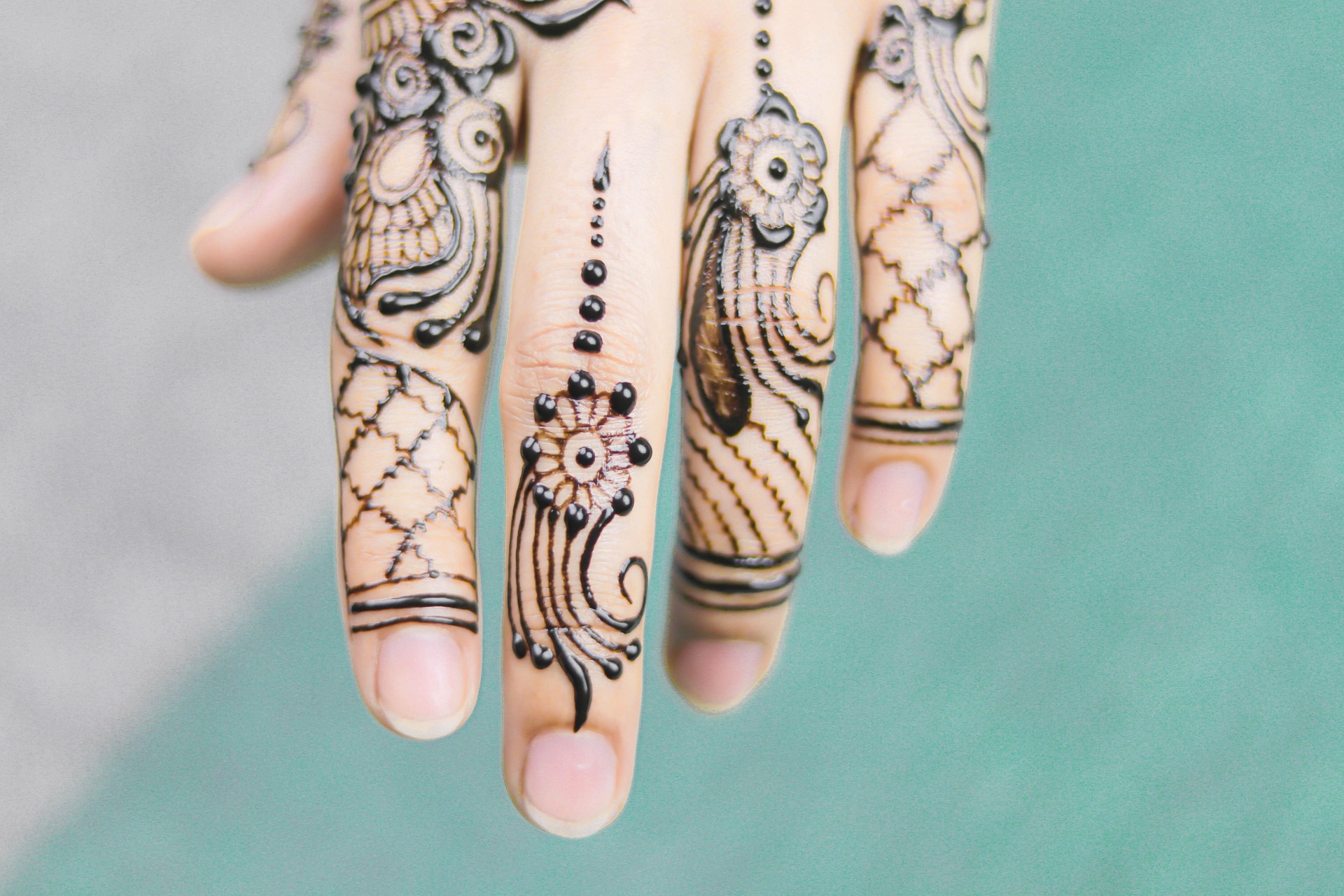
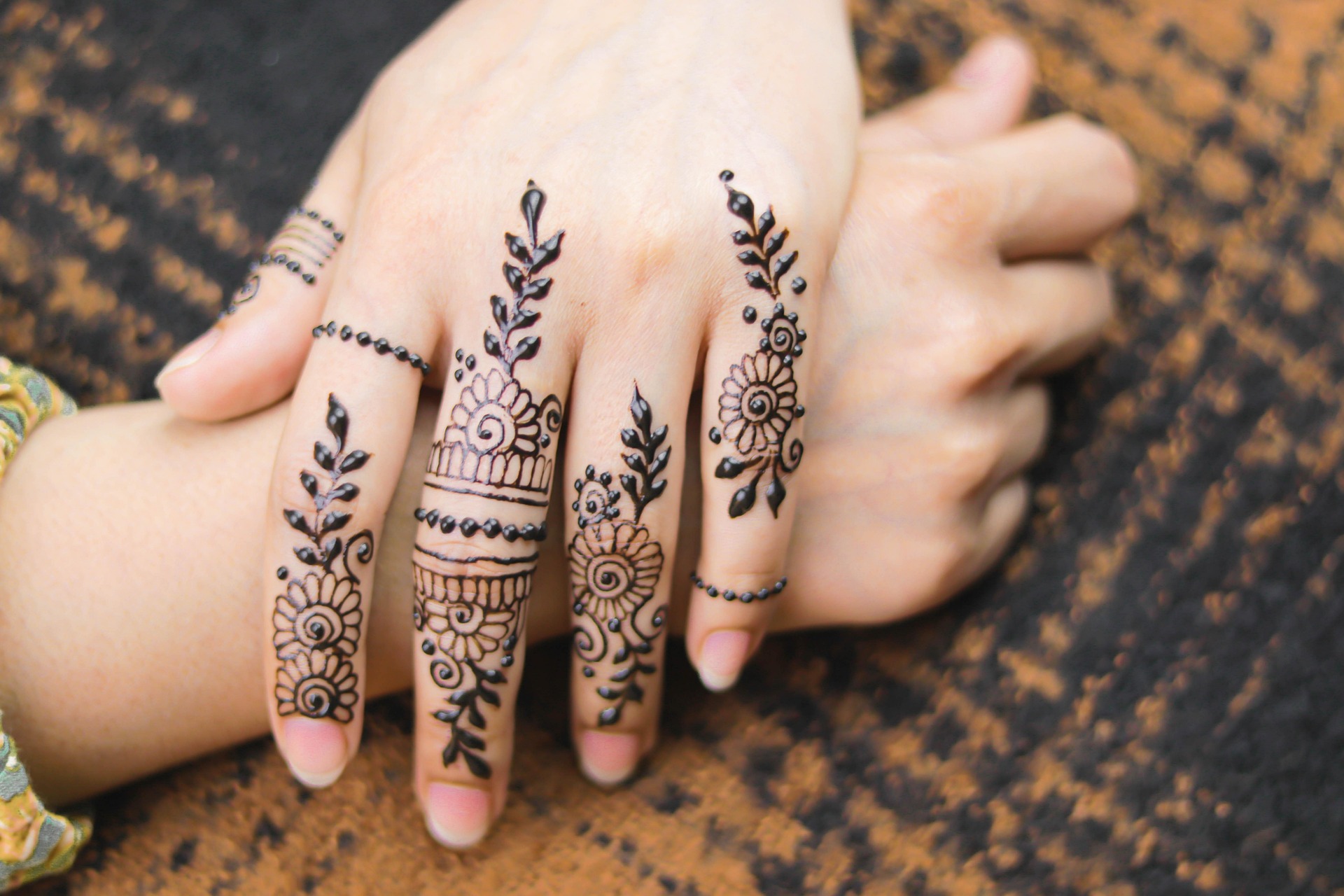
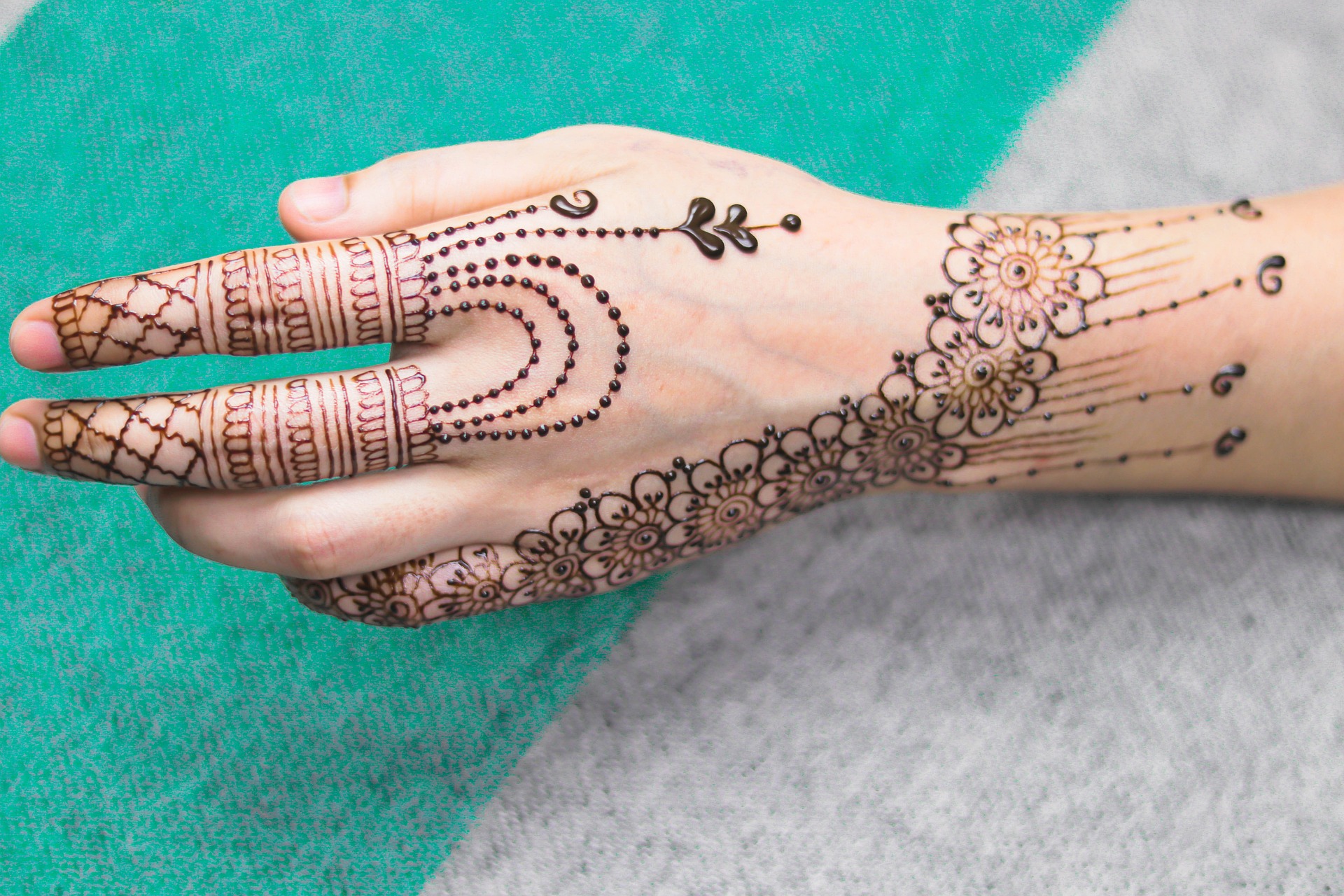
Moroccan henna designs are known for their geometric appearance compared to floral styles common in other countries.
Traditional patterns may include:
- Triangles
- Diamonds
- Lines
- Dots
- Amazigh-inspired symbols
Certain symbols historically represented:
- Fertility
- Protection
- Nature
- Spiritual balance
Design styles can vary depending on the region and cultural background of the family.
Amazigh communities especially preserved many symbolic henna traditions over centuries.
The Role of Henna During Religious Celebrations
Henna Beyond Weddings
Henna is not limited to marriage ceremonies.
Moroccan families also use henna during:
Women and children often apply henna before religious holidays as part of celebration and preparation.
In some communities, henna nights become social gatherings where relatives meet, sing, and prepare food together.
Henna and Amazigh Culture
Ancient Traditions That Still Exist Today
Henna traditions remain strongly connected to Amazigh cultural heritage in Morocco.
In rural mountain and desert communities, henna sometimes carries meanings connected to:
- Tribal identity
- Protection rituals
- Spiritual beliefs
- Family customs
Older generations often preserve traditional preparation methods and symbolic patterns not commonly seen in tourist areas.
For many Amazigh families, henna remains part of everyday cultural identity rather than only decorative art.
How Henna Is Traditionally Prepared
Natural Ingredients and Handmade Methods
Traditional Moroccan henna preparation is usually simple and natural.
The powder is commonly mixed with ingredients such as:
- Water
- Lemon juice
- Tea
- Herbal oils
The paste is then applied using:
- Small cones
- Wooden sticks
- Hand techniques
In many Moroccan homes, preparing henna remains part of family tradition rather than a commercial beauty service.
The Social Atmosphere of Henna Ceremonies
Music, Food, and Family Gatherings
Henna ceremonies are often highly social events.
Depending on the occasion, celebrations may include:
- Traditional music
- Drumming
- Singing
- Moroccan sweets
- Tea
- Dancing
The atmosphere focuses on family connection and celebration rather than the henna designs alone.
In weddings especially, the ceremony creates an emotional and symbolic moment before the larger public festivities begin.
Henna in Modern Morocco
Tradition and Modern Fashion
Today, henna continues evolving in Morocco.
Many younger Moroccans combine traditional patterns with modern artistic styles.
Tourism also influenced the popularity of henna in cities such as:
- Marrakech
- Fes
- Essaouira
Temporary henna art became popular among international visitors looking to experience Moroccan culture.
However, traditional family ceremonies still remain very different from tourist henna experiences found in busy medinas.
Differences Between Authentic and Tourist Henna
Not All Henna Is Traditional
In tourist areas, travelers often encounter fast commercial henna services.
Some temporary artists use chemical black henna products that differ from natural traditional henna and may irritate the skin.
Authentic Moroccan henna traditionally uses natural ingredients and develops gradually over several hours.
Traditional family ceremonies also focus more on symbolism and social meaning than decoration alone.
Why Henna Traditions Continue Today
A Strong Connection to Cultural Identity
Despite modernization, henna remains important because it connects families to:
- Heritage
- Celebration
- Community traditions
- Spiritual symbolism
- Shared memory
For many Moroccan women, henna represents continuity between generations and respect for cultural customs preserved over time.
Frequently Asked Questions
What does henna symbolize in Moroccan culture?
Henna traditionally symbolizes protection, happiness, beauty, blessings, and celebration in Moroccan culture.
When are henna ceremonies held in Morocco?
Henna ceremonies commonly take place during weddings, Eid celebrations, Ashura, births, and family gatherings.
What makes Moroccan henna different?
Moroccan henna designs are often geometric and influenced by Amazigh symbols and traditional cultural patterns.
Is henna important in Moroccan weddings?
Yes, henna ceremonies are one of the most important pre-wedding traditions in many Moroccan families.
Do Moroccans still use traditional henna today?
Yes, henna remains widely used across Morocco for celebrations, cultural traditions, and modern decorative art.
Moroccan henna traditions remain one of the country’s most enduring cultural practices and one of the clearest reflections of celebration, beauty, and family heritage in Moroccan society.
Far beyond decorative art, henna ceremonies continue carrying symbolic meanings connected to protection, spirituality, joy, and important life transitions across generations.
From Amazigh villages and traditional weddings to modern city celebrations, henna remains deeply woven into Moroccan cultural identity and social life.
For travelers exploring Morocco, understanding henna traditions offers insight into the emotional and ceremonial side of Moroccan culture that often remains hidden behind the visible beauty of the designs themselves.