

Moroccan Desert Music: The Spiritual Origins of Gnaoua Traditions
Morocco is known for its diverse musical traditions, but few styles carry the same spiritual depth and cultural identity as Gnaoua music. Across desert towns, old medinas, and coastal cities like Essaouira, the sound of metal castanets, deep bass rhythms, and repetitive chants continues to connect modern Morocco with centuries of African and Saharan heritage.
For many visitors, Gnaoua music feels hypnotic and unfamiliar at first. The rhythms are repetitive, powerful, and emotional. Performances often continue late into the night, blending music, spirituality, movement, and community gatherings into a single experience.
Although Gnaoua music is now performed on international festival stages around the world, its origins are deeply connected to spiritual rituals, healing ceremonies, and the history of Sub-Saharan African communities in Morocco.
Understanding Gnaoua traditions offers travelers a deeper look into Morocco’s cultural identity and the strong African influences that continue shaping the country today.
What Is Gnaoua Music?
A Spiritual Musical Tradition
Gnaoua music is a traditional Moroccan musical style rooted in African spiritual practices and ceremonial rituals.
The music combines:
- Rhythmic chanting
- Percussion
- Repetitive melodies
- Spiritual symbolism
- Dance and trance traditions
Historically, Gnaoua ceremonies were not organized as entertainment performances. They were spiritual gatherings connected to healing, protection, memory, and emotional release.
Today, Gnaoua music exists both as a sacred tradition and as one of Morocco’s most internationally recognized cultural art forms.
The African Origins of Gnaoua Traditions
Connections Between Morocco and Sub-Saharan Africa
The roots of Gnaoua culture trace back to Sub-Saharan Africa.
Historians believe the tradition developed through centuries of movement between Morocco and regions south of the Sahara, including areas connected to:
- Mali
- Senegal
- Sudan
- Niger
- Guinea
Some African communities arrived in Morocco through trans-Saharan trade routes and later preserved spiritual and musical traditions that eventually evolved into Gnaoua culture.
Over time, these traditions blended with Moroccan Islamic influences, Amazigh culture, and local musical styles.
This mixture created a unique spiritual music tradition found nowhere else in the world.
Why Gnaoua Music Feels Hypnotic
Repetition, Rhythm, and Trance
One of the most recognizable characteristics of Gnaoua music is repetition.
Rhythms often continue for long periods while musicians repeat chants and melodies continuously.
The purpose is not simply musical entertainment. Traditionally, repetition helped participants enter spiritual or trance-like states during ceremonies.
The music creates a physical atmosphere through:
- Deep bass vibrations
- Continuous percussion
- Repeated vocal patterns
- Circular rhythms
For many listeners, the sound feels meditative, emotional, and intensely immersive.
Traditional Gnaoua Instruments
The Sound of Gnaoua Music
Several traditional instruments define the sound of Gnaoua music.
The most important include:
Guembri
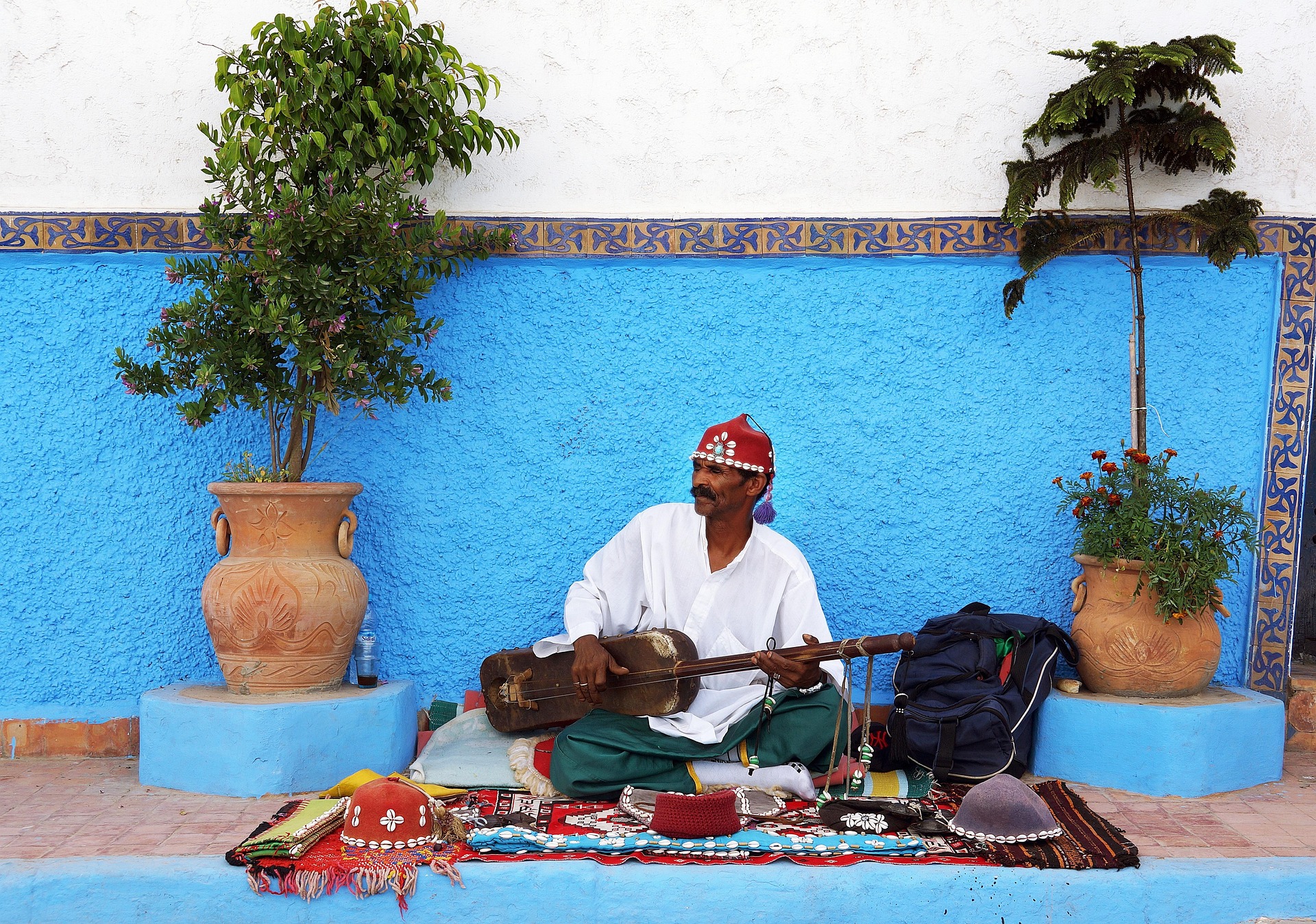
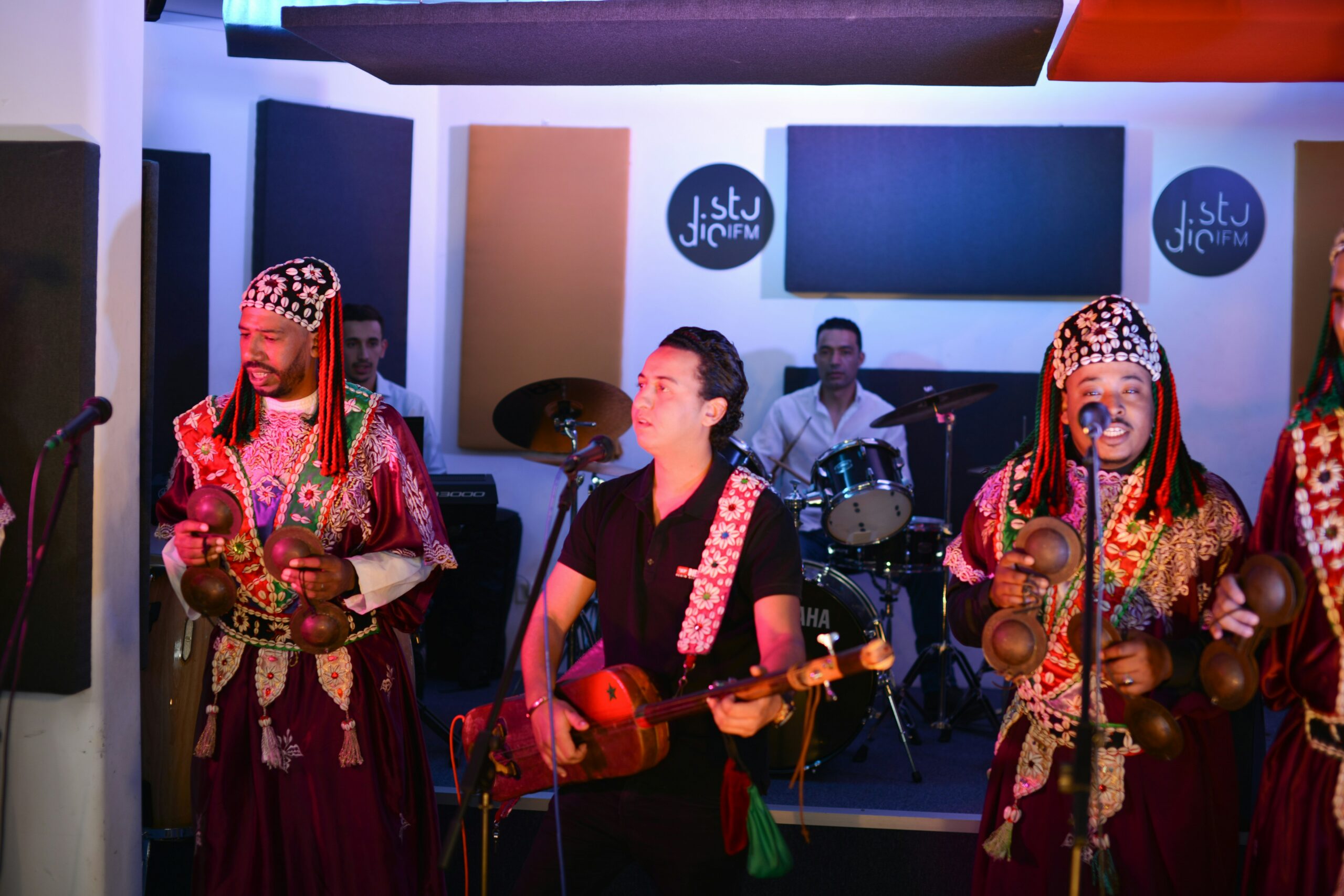
The guembri is a three-string bass instrument covered with camel skin.
It produces deep rhythmic sounds that form the foundation of Gnaoua music.
The instrument is played by the Maâlem, the spiritual and musical leader of the group.
Qraqeb
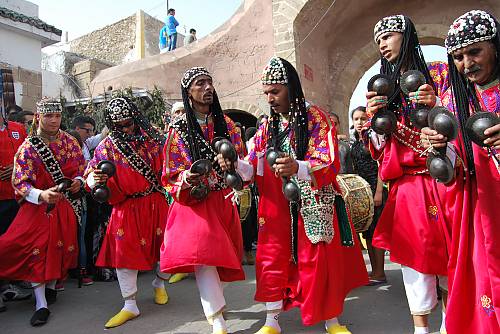
Qraqeb are large metal castanets played rhythmically throughout performances.
Their sharp metallic sound creates the hypnotic pulse associated with Gnaoua ceremonies.
Drums
Traditional drums help reinforce rhythm and collective energy during rituals and public performances.
Who Are the Maâlems?
Masters of the Tradition
In Gnaoua culture, the lead musicians are known as “Maâlems,” meaning masters.
A Maâlem is responsible for:
- Leading ceremonies
- Playing the guembri
- Preserving musical knowledge
- Teaching younger generations
- Guiding spiritual rituals
Becoming a Maâlem often requires years of learning and participation in traditional ceremonies.
In Morocco, respected Maâlems are considered important cultural figures.
Gnaoua Ceremonies and Spiritual Rituals
More Than Music
Traditional Gnaoua ceremonies, sometimes called “lila” ceremonies, are spiritual gatherings that may continue throughout the night.
These ceremonies historically focused on:
- Healing
- Emotional release
- Spiritual balance
- Prayer and remembrance
Participants often combine:
- Music
- Chanting
- Incense
- Dance
- Rhythmic movement
Colors, scents, and musical sequences all carry symbolic meaning during rituals.
Although modern performances sometimes focus more on music and tourism, spiritual ceremonies still exist in some Moroccan communities today.
The Relationship Between Gnaoua Music and the Sahara
Desert Influence on Sound and Culture
The Sahara played an important role in shaping Gnaoua culture.
For centuries, trans-Saharan trade routes connected Morocco with West African regions where musical and spiritual traditions traveled across the desert.
The isolation and vastness of desert landscapes also influenced the emotional atmosphere of the music itself.
Many travelers notice similarities between desert silence and the repetitive rhythm of Gnaoua performances — both feel immersive and timeless.
Why Essaouira Became the Center of Gnaoua Music
Morocco’s International Gnaoua Capital
Although Gnaoua traditions exist in different Moroccan cities, Essaouira became internationally associated with the music.
The coastal city is known for:
- Artistic culture
- International music festivals
- Historic multicultural identity
- Relaxed atmosphere
Since 1998, the Gnaoua World Music Festival in Essaouira helped introduce Gnaoua music to global audiences.
The festival combines traditional Moroccan musicians with jazz, reggae, blues, electronic, and African artists from around the world.
Today, Essaouira is considered one of the best places to experience live Gnaoua performances in Morocco.
Gnaoua Music and Modern Fusion
Tradition Meets International Music
In recent decades, Gnaoua musicians have collaborated with artists from many musical genres.
These collaborations include:
- Jazz
- Blues
- Reggae
- Electronic music
- African percussion
- Rock music
Despite modernization, many musicians continue protecting the spiritual identity and historical roots of Gnaoua culture.
This balance between tradition and innovation helped Gnaoua music remain relevant to younger generations.
The Cultural Importance of Gnaoua Traditions
Preserving African Heritage in Morocco
Gnaoua culture reflects an important part of Morocco’s African identity.
The music preserves memories of migration, spirituality, resilience, and cultural blending across centuries of history.
Today, Gnaoua traditions continue influencing:
- Moroccan festivals
- Contemporary music
- Cultural tourism
- Artistic expression
For many Moroccans, Gnaoua music represents both cultural heritage and spiritual continuity.
Why Travelers Are Drawn to Gnaoua Music
An Experience That Feels Different
Many travelers describe Gnaoua performances as emotionally powerful because the music feels deeply connected to atmosphere and human energy rather than polished entertainment.
Visitors are often fascinated by:
- Nighttime performances
- Rhythmic trance atmosphere
- Spiritual symbolism
- Traditional instruments
- Community participation
Even travelers unfamiliar with the language often connect emotionally with the rhythm and intensity of the performances.
Frequently Asked Questions
What is Gnaoua music in Morocco?
Gnaoua music is a traditional Moroccan spiritual music style influenced by Sub-Saharan African traditions, rhythmic ceremonies, and healing rituals.
Where did Gnaoua traditions originate?
Gnaoua culture developed through historical connections between Morocco and Sub-Saharan African communities across trans-Saharan trade routes.
What instruments are used in Gnaoua music?
Traditional Gnaoua music uses instruments like the guembri, qraqeb metal castanets, and drums.
What is a Maâlem in Gnaoua culture?
A Maâlem is the master musician and spiritual leader responsible for leading performances and preserving Gnaoua traditions.
Where can travelers experience Gnaoua music in Morocco?
Travelers often experience Gnaoua music in Essaouira, Marrakech, cultural festivals, and traditional ceremonies across Morocco.
Moroccan Gnaoua music remains one of the country’s most unique cultural traditions and one of the strongest reflections of Morocco’s African heritage. Through rhythm, ceremony, storytelling, and spiritual symbolism, generations of musicians preserved a musical identity deeply connected to history and memory.
Although modern festivals introduced Gnaoua music to international audiences, its roots remain tied to spiritual gatherings, healing rituals, and centuries of cultural exchange across the Sahara.
For travelers exploring Morocco, understanding Gnaoua traditions offers far more than a musical experience. It reveals a deeper cultural layer of Morocco shaped by movement, spirituality, resilience, and the enduring power of rhythm.