

Ashura in Morocco: The Unique Traditions Behind the Celebration
Ashura is one of the most unique religious and cultural celebrations in Morocco. While the occasion has Islamic origins connected to the tenth day of the month of Muharram, Moroccan Ashura developed its own atmosphere and traditions over generations, blending spirituality, family customs, childhood memories, music, and social gatherings into a celebration unlike anywhere else in the Muslim world.
For travelers visiting Morocco during Ashura, the experience can feel surprising. Streets become filled with children playing drums, families gather for special meals, markets sell toys and sweets, and neighborhoods come alive with nighttime celebrations.
Unlike more formal religious holidays, Ashura in Morocco combines both spiritual meaning and local cultural traditions that vary between cities, villages, and regions.
Some customs focus on charity and prayer, while others center around family gatherings, music, games, and symbolic rituals passed through generations.
Understanding Ashura offers visitors a deeper view into Moroccan social life and how religious occasions often evolve into unique local cultural traditions across the country.
What Is Ashura?
The Tenth Day of Muharram
Ashura takes place on the tenth day of Muharram, the first month of the Islamic calendar.
In Islamic tradition, Ashura carries historical and religious significance connected to several important events.
Many Muslims observe the day through:
- Fasting
- Prayer
- Charity
- Reflection
However, cultural traditions linked to Ashura vary greatly across different countries.
In Morocco, the celebration developed a particularly distinctive social and family atmosphere over time.
Why Ashura Feels Different in Morocco
A Mix of Religion and Popular Traditions
In Morocco, Ashura is not limited only to religious observance.
The celebration also includes:
- Family gatherings
- Traditional games
- Music
- Street celebrations
- Special foods
- Activities for children
For many Moroccans, childhood memories of Ashura are strongly connected to drums, toys, sweets, and neighborhood celebrations rather than only religious rituals.
Because of this combination, Ashura in Morocco feels both spiritual and cultural at the same time.
The Tradition of Children’s Drums
One of Morocco’s Most Recognizable Ashura Customs
Before Ashura, markets across Morocco fill with children’s drums known locally as “taarija.”
Children spend days playing rhythms in streets and neighborhoods leading up to the celebration.
These drums became one of the most iconic symbols of Moroccan Ashura.
In many cities, the sound of drums continues late into the evening as children gather outside with friends and family.
For older generations, the atmosphere often creates strong nostalgia connected to childhood celebrations.
Water Traditions During Ashura
Symbolic Games and Community Fun
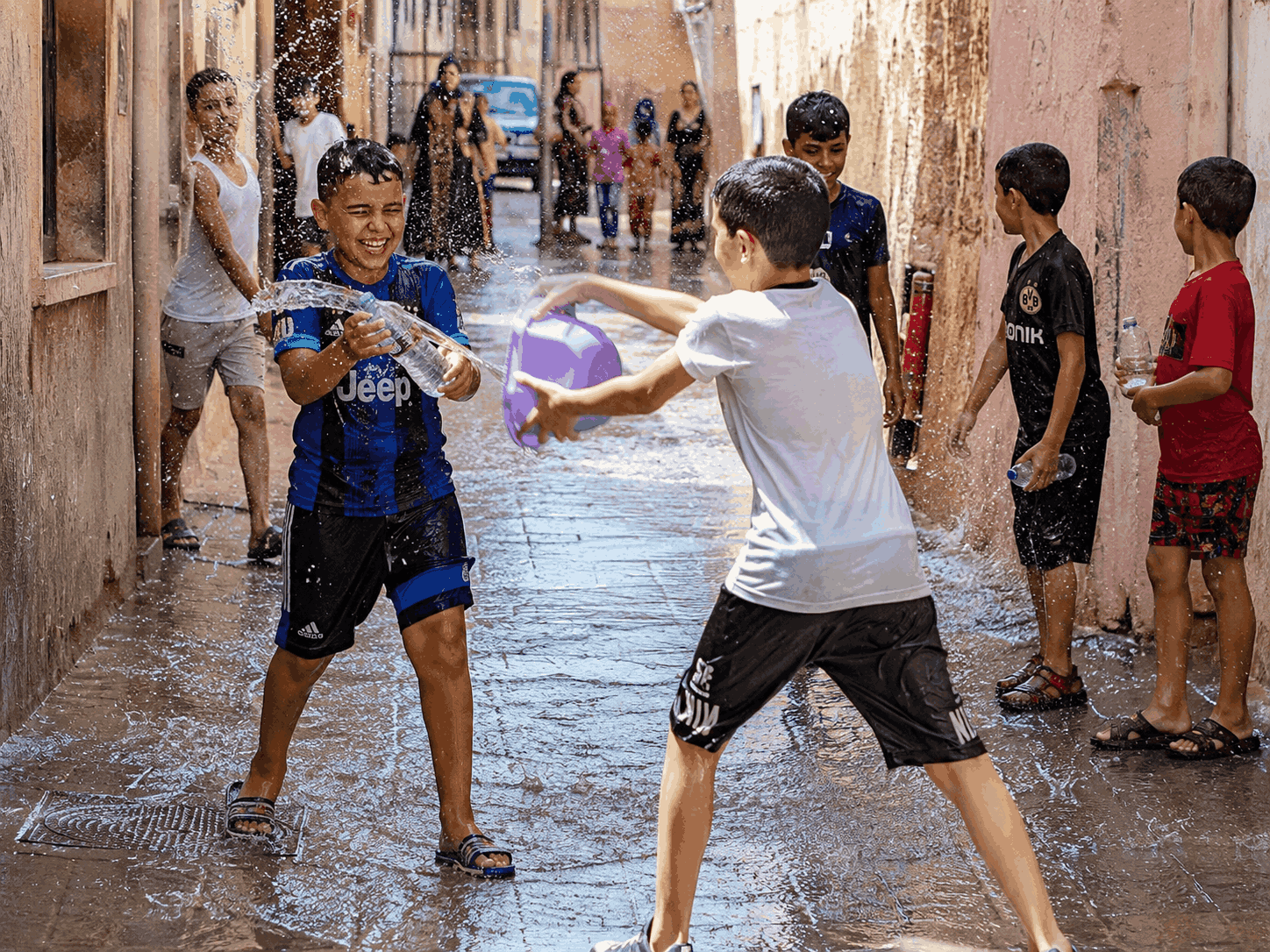
In some Moroccan regions, Ashura includes playful water traditions where children and teenagers splash water on friends, relatives, or neighbors.
The practice is viewed as:
- Playful celebration
- Community interaction
- Symbolic cleansing
- Seasonal festivity
Although not practiced everywhere equally, water games became part of Ashura culture in many neighborhoods across Morocco.
In some cities, these traditions became less common due to modern urban life and water conservation concerns.
Bonfires and Night Gatherings
Traditional Evening Celebrations
In certain towns and villages, families and neighborhoods organize small bonfires during Ashura evenings.
Historically, people gathered around fires for:
- Music
- Storytelling
- Social gatherings
- Community celebration
Some traditions are believed to have roots in older Amazigh seasonal customs that later blended into Moroccan Ashura celebrations.
Today, bonfire traditions continue more strongly in some rural areas than in large modern cities.
Food Associated With Ashura in Morocco
Family Meals and Traditional Snacks
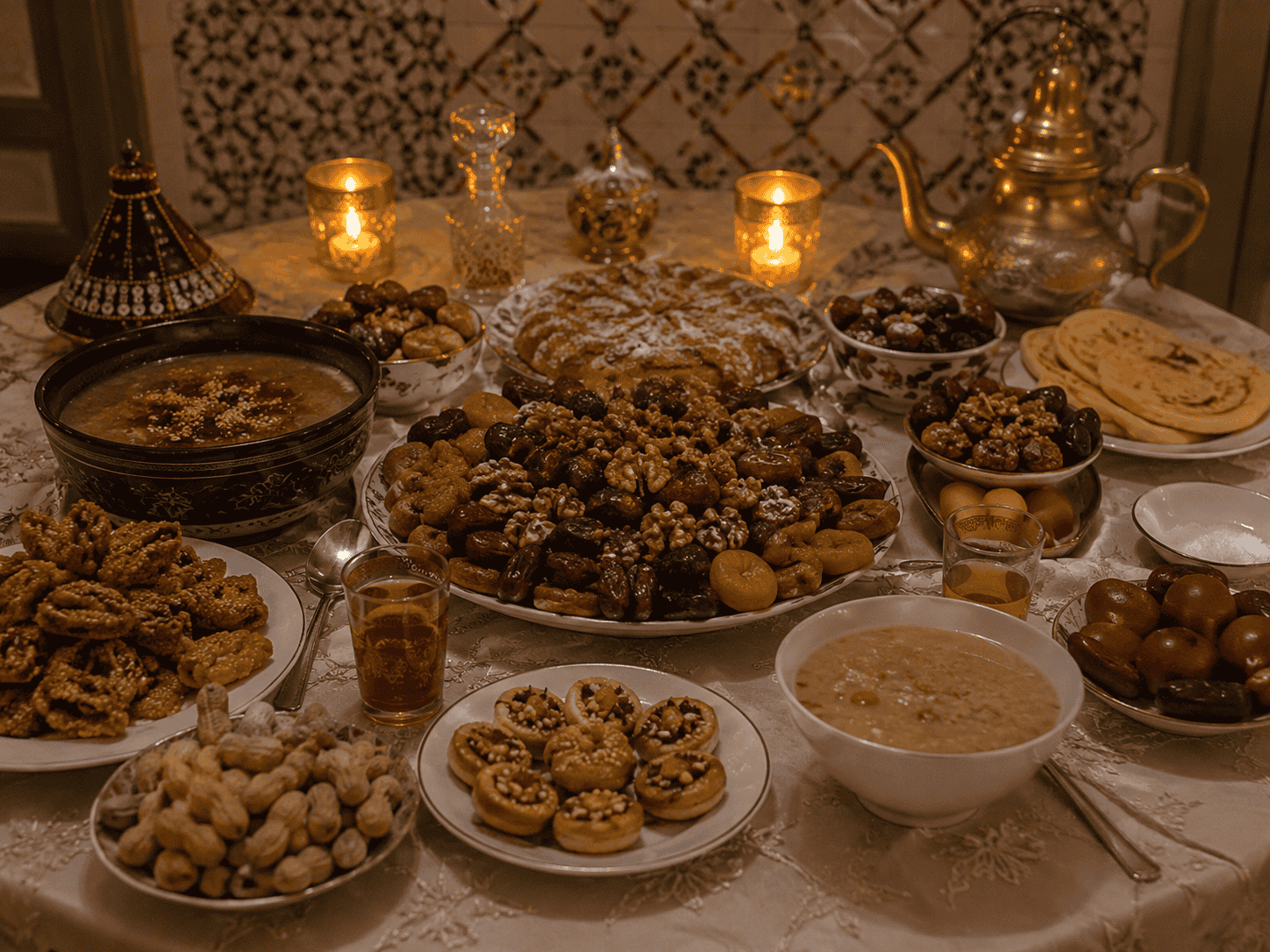
Like many Moroccan celebrations, food plays an important social role during Ashura.
Families often prepare:
- Dried fruits
- Nuts
- Couscous
- Traditional sweets
- Popcorn
- Seasonal snacks
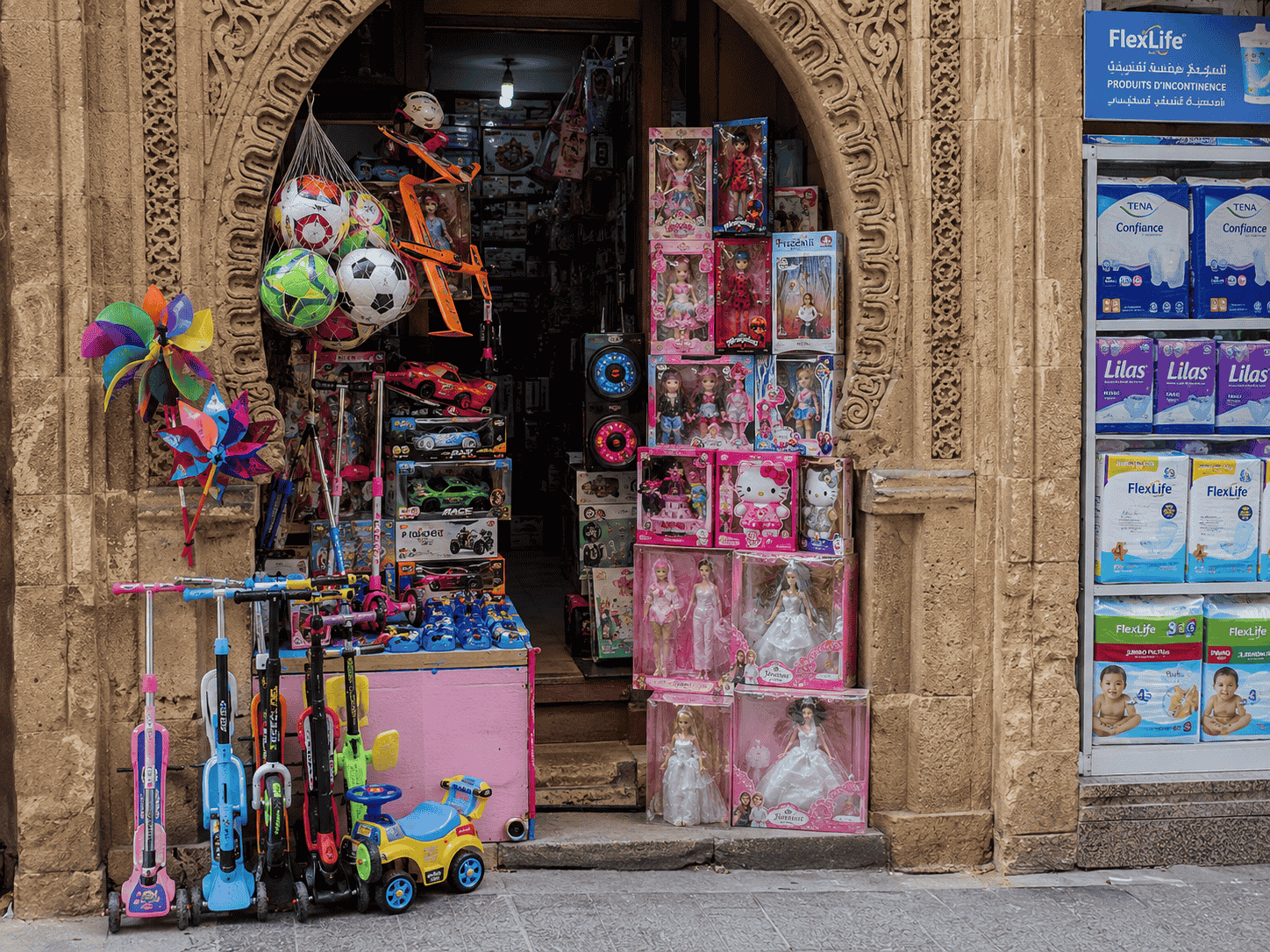
Children especially associate Ashura with treats and gifts bought in local markets.
Street vendors often sell nuts, candy, drums, and toys during the days leading up to the celebration.
Charity and Religious Traditions
The Spiritual Side of Ashura
Although Moroccan Ashura includes festive customs, many families also focus on the religious meaning of the day.
Common practices include:
- Giving charity
- Helping poorer families
- Visiting relatives
- Fasting
- Prayer
For many people, Ashura remains a time for generosity and reflection alongside the social celebrations.
Religious observance tends to vary depending on personal beliefs and regional traditions.
Ashura Markets in Morocco
Streets Filled With Toys and Celebration Items
Before Ashura, Moroccan markets develop a very recognizable atmosphere.
Shops and street vendors begin selling:
- Taarija drums
- Water toys
- Candy
- Traditional sweets
- Plastic trumpets
- Small gifts for children
Children often wait excitedly for Ashura shopping traditions every year.
In cities like Marrakech, Fes, Casablanca, and Rabat, temporary market stalls become especially active during this period.
Regional Differences in Ashura Traditions
Different Customs Across Morocco
Ashura traditions vary between Moroccan regions and communities.
Some areas focus more on:
- Religious observance
- Family meals
- Children’s celebrations
- Water traditions
- Music and drumming
Rural communities sometimes preserve older customs more strongly than large urban centers.
Amazigh cultural influences also shape certain local traditions differently across the country.
How Modern Life Changed Ashura Celebrations
Traditions Evolving Over Time
Like many cultural traditions, Ashura in Morocco changed over generations.
Urbanization, technology, and modern lifestyles influenced how people celebrate today.
Some older customs became less common, while others remain deeply popular among children and families.
Despite these changes, Ashura still holds an important place in Moroccan cultural memory and family life.
For many Moroccans, the celebration continues representing childhood, neighborhood life, and shared social traditions.
Why Travelers Find Ashura Interesting
A Different Side of Moroccan Culture
Visitors who experience Ashura in Morocco often notice how local and community-centered the celebration feels.
Unlike large tourism festivals, Ashura reflects everyday Moroccan family culture and neighborhood traditions more directly.
Travelers are often fascinated by:
- The sounds of taarija drums
- Nighttime street atmosphere
- Local markets
- Family gatherings
- Traditional customs not seen elsewhere
The celebration reveals how Moroccan culture blends religion, social life, and local identity in unique ways.
Frequently Asked Questions
What is Ashura in Morocco?
Ashura in Morocco is a religious and cultural celebration observed on the tenth day of Muharram with traditions including drums, family gatherings, charity, food, and children’s activities.
Why do Moroccan children play drums during Ashura?
Playing taarija drums became one of the most popular Moroccan Ashura traditions associated with celebration and childhood festivities.
Do Moroccans celebrate Ashura differently from other countries?
Yes, Moroccan Ashura includes unique local customs such as drums, water games, markets, and neighborhood celebrations not commonly seen elsewhere.
What foods are eaten during Ashura in Morocco?
Families often prepare nuts, dried fruits, couscous, sweets, popcorn, and traditional snacks during Ashura celebrations.
Is Ashura a religious or cultural celebration in Morocco?
In Morocco, Ashura combines both religious meaning and cultural traditions shaped by local customs and family celebrations.
Ashura in Morocco remains one of the country’s most distinctive cultural celebrations and one of the clearest examples of how Moroccan traditions blend religion, family life, community customs, and local identity together.
From the sound of children’s drums and crowded markets to family meals and neighborhood gatherings, Ashura creates an atmosphere deeply connected to Moroccan social memory and cultural heritage.
Although traditions continue evolving with modern life, the celebration still preserves customs passed through generations across cities, villages, and communities throughout the country.
For travelers seeking a deeper understanding of Moroccan culture beyond monuments and tourism, experiencing Ashura offers a rare glimpse into the rhythms of everyday Moroccan family and community life.